During Utah winters, furnaces run longer and homes stay sealed tight against the cold. While this keeps families warm, it also increases the risk of carbon monoxide exposure if a heating system is not operating correctly. Carbon monoxide is invisible, odorless, and dangerous, making furnace safety one of the most important winter responsibilities for homeowners.
At Green Line Plumbing, Heating and Air, we take furnace safety seriously. Each winter, we help Utah families identify and prevent carbon monoxide risks before they become emergencies. Understanding how carbon monoxide forms, what signs to watch for, and how to protect your home can literally save lives.
How Carbon Monoxide Forms in Furnaces
Carbon monoxide is a byproduct of incomplete combustion. Gas furnaces rely on proper airflow, ignition, and ventilation to burn fuel safely. When something disrupts that process, carbon monoxide can accumulate instead of venting outdoors.
Common causes include dirty burners, blocked flue pipes, cracked heat exchangers, and malfunctioning sensors. Utah’s winter conditions can worsen these problems because snow, ice, and debris can obstruct exhaust vents without homeowners realizing it.
Why Winter Increases Risk in Utah Homes
During winter, homes are sealed tightly to retain heat. Windows stay closed, doors are insulated, and ventilation decreases. While this improves energy efficiency, it also means carbon monoxide has fewer ways to escape if a problem develops.
Utah homes also rely heavily on gas heating systems. The more frequently a furnace runs, the greater the reminder that maintenance and inspection matter.
Warning Signs Homeowners Should Never Ignore
Carbon monoxide exposure often mimics flu symptoms, which is why it can go unnoticed. Headaches, dizziness, nausea, fatigue, confusion, and shortness of breath are common early indicators.
If multiple people in the home experience symptoms at the same time, or symptoms improve when leaving the house, carbon monoxide may be present. In these situations, leave the home immediately and call emergency services.
The Role of Carbon Monoxide Detectors
Every Utah home should have carbon monoxide detectors installed on each level and near sleeping areas. Detectors should be tested monthly and batteries replaced regularly.
Detectors are a critical safety layer, but they are not a substitute for furnace maintenance. A properly maintained system is the first line of defense.
How Furnace Maintenance Prevents Carbon Monoxide
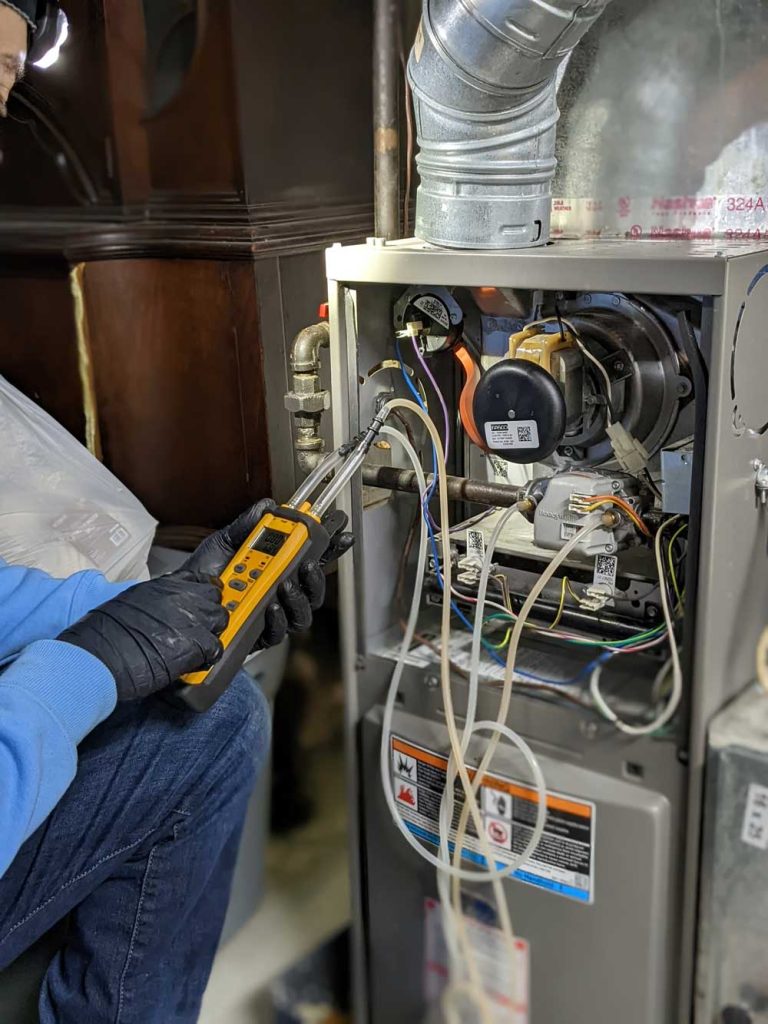
Professional furnace inspections identify problems before they become dangerous. During a Green Line inspection, technicians examine burners, heat exchangers, venting, and safety switches to ensure proper combustion and exhaust.
Even small adjustments can dramatically reduce carbon monoxide risk. This is why annual furnace service is one of the most important safety steps a homeowner can take.
When to Call a Professional Immediately
If your furnace smells unusual, shuts off frequently, makes new noises, or triggers carbon monoxide detectors, do not ignore it. Turn off the system and call a licensed HVAC professional right away.
Green Line offers fast service throughout Utah to address heating safety concerns before they escalate.
📞 (801) 252-5362
📍 https://greenline.expert/contact/
Carbon monoxide safety is not optional during Utah winters. Proper furnace maintenance, working detectors, and awareness of warning signs all work together to protect your home and family.
At Green Line Plumbing, Heating and Air, we are Your Local Experts That Care, committed to keeping Utah homes warm and safe through every winter season.