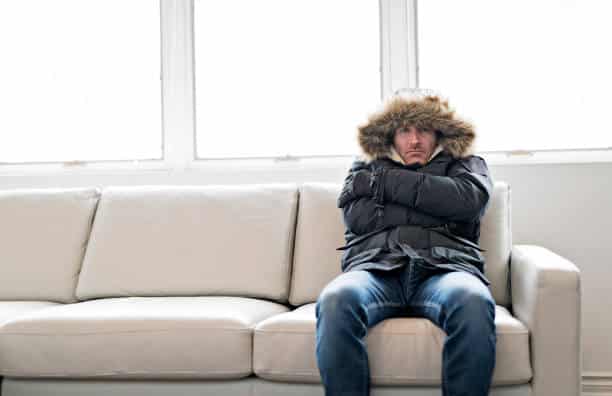
It happens every year—Utah’s first real cold snap hits, and furnaces across the state kick on after months of sitting idle. For many homeowners, that’s when the problems start. Strange noises, cold air blowing from vents, or a furnace that won’t turn on at all can turn a cozy fall evening into a stressful night.
If that sounds familiar, you’re not alone. At Green Line Plumbing, Heating and Air, we’ve helped countless Utah homeowners deal with unexpected furnace problems just as temperatures begin to drop. Most of these issues share the same cause: a lack of maintenance, clogged filters, or aging equipment that’s ready for some attention.
In this guide, we’ll break down the most common furnace problems Utah homeowners face, how to recognize them early, and what you can do to fix or prevent them before winter fully sets in.

1. The Furnace Won’t Turn On
Few things are more frustrating than a furnace that simply refuses to start. Sometimes the solution is simple, like a tripped breaker or a thermostat setting that’s off. Other times, it’s a signal of a deeper issue.
Before calling a technician, check your thermostat batteries, verify that it’s set to “heat,” and ensure the circuit breaker hasn’t flipped. If those all check out, the issue could involve the ignition system, a faulty flame sensor, or a problem with the control board.
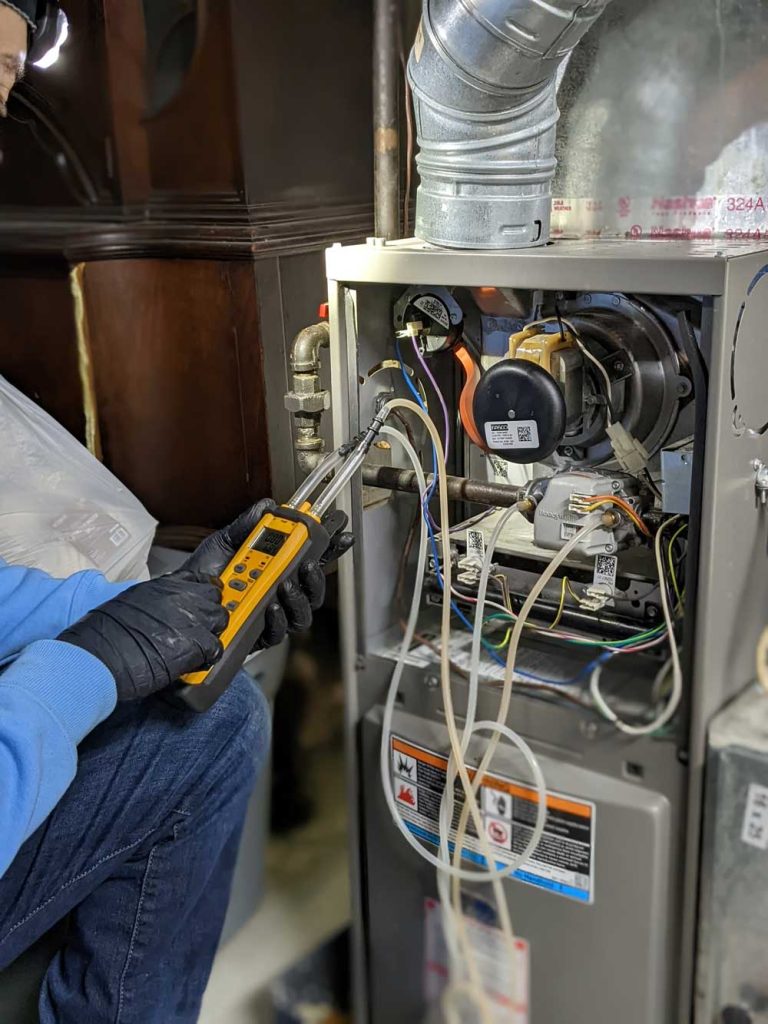
These are the kinds of repairs best left to professionals—especially when gas or electrical components are involved. Green Line’s technicians can quickly diagnose ignition problems and replace faulty components to restore heat safely.
2. Furnace Blowing Cold Air
When your furnace runs but the air coming out feels cold, it’s usually one of three culprits: airflow restriction, thermostat issues, or ignition failure.
A clogged air filter is often to blame. Restricted airflow causes the furnace to overheat and shut off before it can warm the air properly. Replacing filters every 1–3 months is the simplest way to keep warm air flowing freely.
If the filter isn’t the problem, the pilot light or ignitor may have failed. Utah’s dry air and frequent furnace cycling can cause these components to wear down faster. Green Line can test and replace them, ensuring your furnace is producing reliable heat again.
3. Strange Noises from the Furnace
It’s normal for your furnace to make a low hum or occasional click when turning on, but loud banging, rattling, or squealing noises are red flags.
A rattling sound could indicate loose panels or parts. A high-pitched squeal often points to a worn-out blower belt, while loud booms at startup may signal delayed ignition—something that needs immediate attention.
Ignoring unusual noises can lead to bigger problems, such as cracked heat exchangers or motor failure. Having a technician inspect your furnace early can catch these issues before they turn costly.
4. Uneven Heating Around the Home
If one room feels like a sauna while another feels like a refrigerator, your furnace might not be distributing air evenly. This often happens because of blocked vents, leaky ductwork, or an improperly sized furnace.
Utah’s mix of older and newer housing means ductwork design varies widely. Even a small air leak in your duct system can cause significant temperature differences between rooms. Green Line’s team can test your airflow and recommend adjustments or duct sealing to ensure consistent warmth throughout your home.
5. Furnace Runs Constantly or Cycles Too Often
When a furnace runs nonstop, it’s usually trying to reach a set temperature it can’t maintain. This could mean your filter is clogged, the blower motor is dirty, or the thermostat is out of calibration.
Short-cycling (turning on and off frequently) is another common symptom. It’s not only inefficient but also hard on your furnace’s components. Our technicians often see this caused by dirty sensors or overheating. Regular tune-ups help correct these problems before they shorten your system’s lifespan.
6. Pilot Light or Ignition Issues
Older gas furnaces rely on a pilot light that can blow out, while newer models use electronic ignitors that can fail over time. If your furnace won’t ignite or the pilot light burns yellow instead of blue, that’s a sign of incomplete combustion—and potentially dangerous carbon monoxide buildup.
Never try to relight or adjust gas components without proper training. Green Line’s technicians are licensed to safely inspect ignition systems and ensure your furnace operates efficiently and safely.
7. Thermostat Malfunctions
Sometimes, the problem isn’t with your furnace at all—it’s your thermostat. A miscalibrated thermostat can cause the furnace to cycle too often, blow cold air, or fail to turn on.
Replacing old thermostats with programmable or smart models helps regulate indoor temperatures automatically and prevents unnecessary furnace strain. Plus, it’s one of the easiest upgrades for improving energy efficiency.
Why These Problems Happen More in Utah
Utah’s unique climate plays a big role in furnace performance. The state’s dry air, fluctuating winter temperatures, and high elevation all affect how furnaces operate. Dust buildup is a common culprit because dry conditions cause more airborne particles, which quickly clog filters and internal parts.
Additionally, furnaces in Utah often work harder and longer during the heating season compared to milder regions. That extended runtime accelerates wear and tear on motors, belts, and ignition components. Regular maintenance helps counteract these local challenges and keeps your system running smoothly.
How to Prevent Furnace Problems Before They Start
Most furnace issues are preventable with proper maintenance and awareness. Scheduling annual tune-ups before winter ensures your system is cleaned, tested, and ready to perform.
During a Green Line tune-up, we check everything from airflow and ignition systems to thermostat accuracy and gas safety. We also clean critical components to reduce dust buildup and improve efficiency. This proactive approach saves homeowners money on both energy bills and emergency repairs.
Simple homeowner habits help, too. Keep vents clear, change filters regularly, and don’t ignore unusual sounds or performance changes. Catching small problems early is the key to avoiding big ones later.
When to Call a Professional
While it’s tempting to troubleshoot furnace issues yourself, modern systems involve complex electrical and gas components that require trained expertise. If your furnace won’t ignite, keeps cycling, or emits strange odors, it’s best to call a licensed technician.
Green Line offers same-day service across Salt Lake County and surrounding Utah cities. Whether you need a simple fix or a full system inspection, we’ll make sure your furnace is running safely and efficiently before the next cold front arrives.
Common questions we get about Furnace Repair in Utah
How often should I have my furnace serviced?
Once a year, ideally in early fall before temperatures drop.
Why does my furnace smell when I first turn it on?
Dust accumulation on heating elements burns off after months of inactivity—it’s normal, but should fade quickly.
Can dirty ducts affect furnace performance?
Yes. Dust and debris restrict airflow and make your system work harder.
How do I know if I need to replace my furnace?
If it’s over 15 years old, requires frequent repairs, or your heating bills are rising, it’s time to consider replacement.
Your furnace is the backbone of home comfort during Utah’s long winter months. Recognizing and addressing common issues early keeps your home warm, your bills low, and your system running for years to come.
At Green Line Plumbing, Heating and Air, we’re Your Local Experts That Care, dedicated to helping Utah homeowners stay safe and comfortable all season. If you notice any of these furnace problems, don’t wait for the next cold snap—let us take a look and make sure your system is ready for the months ahead.
📞 Call (801) 252-5362