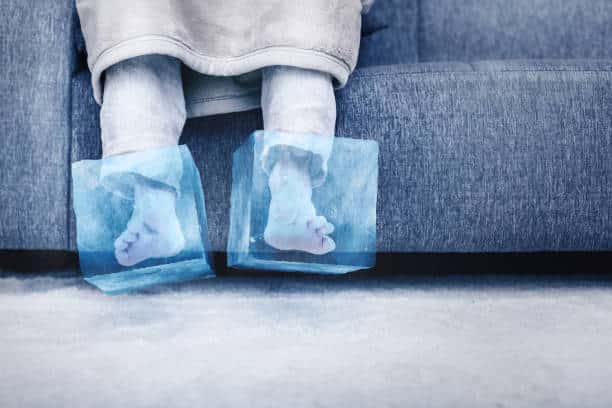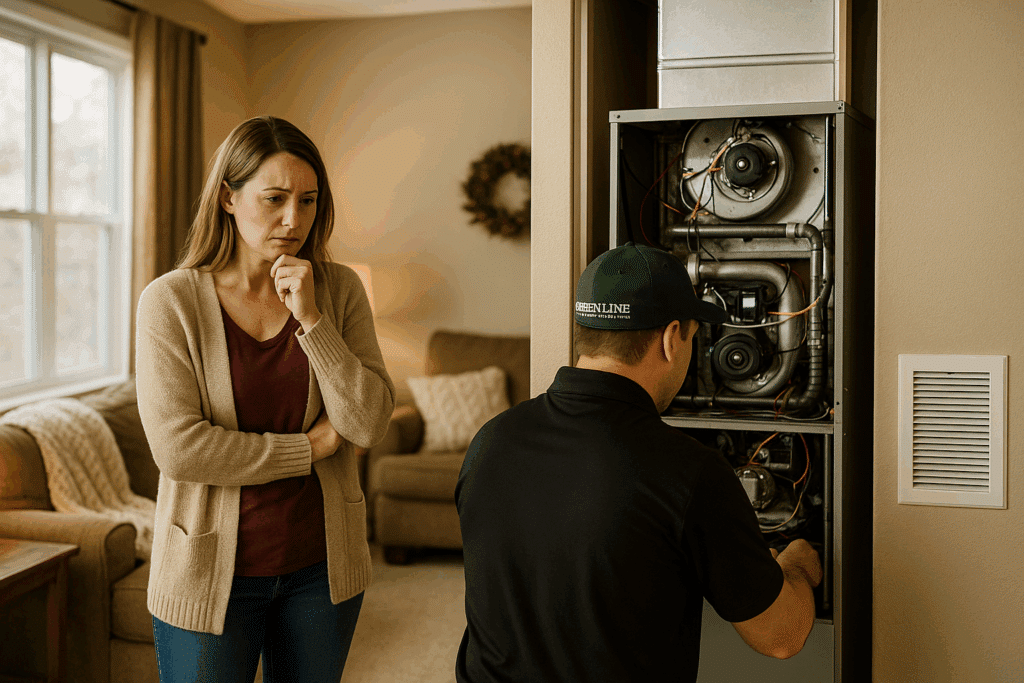
You’ve just turned up the thermostat, expecting warm air to fill your home—but instead, cold air starts blowing through your vents. It’s frustrating, especially when Utah’s fall chill has already settled in. A furnace that blows cold air isn’t just uncomfortable; it’s often a sign that something isn’t working as it should.
The good news is that not all furnace issues require an expensive repair. Many causes are simple to identify and easy to fix once you understand what’s happening. At Green Line Plumbing, Heating and Air, we help homeowners across Utah troubleshoot and resolve heating issues before they turn into emergencies.
In this guide, we’ll explore the most common reasons your furnace is blowing cold air, what you can do to fix it, and when it’s time to call in the experts.
Why Your Furnace Might Blow Cold Air
When your furnace pushes cold air instead of heat, it usually means one of three things: airflow is restricted, ignition isn’t occurring, or the system is shutting down to protect itself. Understanding which one applies to your situation can save time—and help you know whether it’s something you can fix yourself or needs professional attention.
1. The Furnace Is Still Warming Up
Sometimes, the simplest explanation is the right one. When you first turn on your furnace after it’s been idle for months, it takes a few minutes for the air to heat up. During this period, your vents may blow room-temperature or slightly cool air until the burners reach full operating temperature.
If the air warms after a few minutes, there’s no cause for concern. However, if it continues blowing cold after 10–15 minutes, there’s likely another issue at play.
2. The Thermostat Is Set Incorrectly
Before you panic, check your thermostat settings. It’s easy to overlook the “fan” mode setting—when set to “on,” the fan runs constantly, even when the furnace isn’t producing heat. This makes it feel like cold air is blowing from the vents.
Switch the fan setting to “auto” so it only runs when the furnace is actively heating. Also, make sure the thermostat is set to “heat” and the temperature is above the current room temperature.
If everything looks correct but the air is still cold, it could indicate a communication problem between the thermostat and furnace, which a technician can easily test and recalibrate.
3. Clogged or Dirty Air Filters
Airflow is everything for a furnace. When the filter becomes clogged with dust or debris—a common issue in Utah’s dry, dusty climate—it restricts airflow and can cause the heat exchanger to overheat.
To protect itself, your furnace’s limit switch shuts down the burners while allowing the fan to keep running, which results in cool air blowing through the vents.
Replacing the air filter is one of the easiest and most effective maintenance tasks you can do. In Utah, filters often need changing every 1–2 months during heavy furnace use.
4. Pilot Light or Ignitor Problems
If you have an older gas furnace, the pilot light might have gone out. Without it, the system can’t ignite gas to produce heat. Relighting the pilot is often simple, but if it won’t stay lit, there could be a faulty thermocouple—a safety device that controls the gas flow.
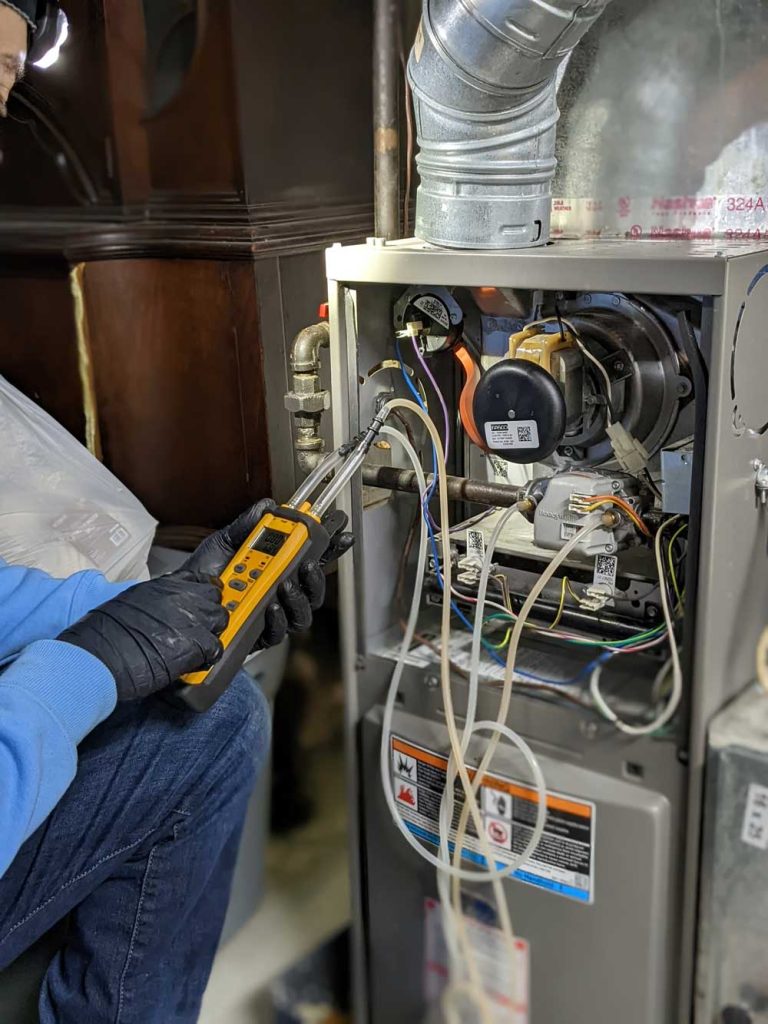
Modern furnaces use electronic ignitors that can also fail over time. If your system is clicking repeatedly or the blower runs without heat, it may be an ignition control problem. Green Line’s technicians can test these components safely and replace them quickly.
5. Dirty Flame Sensor
Your furnace’s flame sensor ensures that gas is burning safely. Over time, soot and residue build up on the sensor, preventing it from detecting a flame. When that happens, the furnace automatically shuts off the burners to avoid releasing unburned gas.
This issue is common after a long summer of inactivity. Cleaning the sensor is a quick fix for professionals and part of every Green Line tune-up service.
6. Leaky Ductwork
Utah homes, especially older ones, often have ductwork that’s been through many heating and cooling seasons. Over time, small gaps or loose connections allow heated air to escape before it reaches your vents.
If some rooms feel warm while others blow cold air, the problem might not be your furnace—it could be your ducts. Green Line can inspect and seal ductwork to restore proper airflow and improve heating efficiency.
7. Overheating and Safety Shutdowns
When a furnace overheats, internal safety systems automatically turn off the burners but leave the fan running to cool things down. This can make it seem like the furnace is blowing cold air.
Overheating is typically caused by restricted airflow (dirty filters or blocked vents) or failing components. It’s important to have this inspected promptly to prevent damage to your heat exchanger—a costly repair.
8. Electrical or Control Board Issues
Your furnace’s control board acts as its brain, sending signals between the thermostat, blower, and ignitor. If it malfunctions, the system may run the fan without heating.
Fluctuating power or surges can also disrupt these signals. Because electrical components are delicate, diagnosing them should always be left to trained HVAC technicians.
How Utah’s Climate Makes Furnace Problems Worse
Utah’s dry air, frequent dust, and dramatic temperature swings all take a toll on furnace systems. Dust settles inside blower motors, filters clog faster, and cold snaps cause systems to cycle more often.
High-elevation areas like Herriman, Draper, and Lehi also experience thinner air, which slightly alters combustion efficiency—meaning furnaces work harder to maintain indoor comfort. Regular maintenance helps offset these local challenges and prevents “cold air” complaints as temperatures drop.
What You Can Do Before Calling a Technician
If your furnace starts blowing cold air, try these quick checks first:
-
Make sure the thermostat is set correctly.
-
Replace or inspect the air filter.
-
Check that the furnace access panel is closed securely.
-
Look for flashing error codes on the furnace (these can help technicians diagnose the issue).
If none of these steps resolve the problem, it’s time for professional service.
When to Call Green Line
If you’re still getting cold air or your furnace repeatedly shuts off, don’t wait for it to fail completely. Green Line offers same-day furnace repair in Utah, and our licensed technicians can identify the cause quickly.
We service all major furnace brands and carry replacement parts for most models on our trucks. Whether it’s a bad ignitor, dirty sensor, or duct issue, we’ll have your heat back up and running safely.
Questions you might have if your furnace starts blowing cold air
Why does my furnace blow cold air only sometimes?
It may be cycling off for safety or struggling with airflow due to a dirty filter.
Can my thermostat cause cold air problems?
Yes, if it’s malfunctioning or misconfigured. Recalibration or replacement may fix it.
How long should it take for my furnace to start blowing warm air?
Typically, within 5–10 minutes after starting. Longer warm-up times can indicate ignition issues.
When your furnace starts blowing cold air, it’s more than just an inconvenience—it’s a warning sign. The key is knowing when it’s something simple, like a dirty filter, and when to call for help.
At Green Line Plumbing, Heating and Air, we’re Your Local Experts That Care, ready to restore your home’s warmth quickly and safely. If your furnace is acting up, don’t wait for the next cold snap—schedule a service visit today.
📞 (801) 252-5362
📍 Schedule Furnace Repair Online