Few things are more frustrating in the middle of a Utah winter than turning on your furnace and feeling cold air coming from the vents. When outdoor temperatures are below freezing, homeowners expect warm, steady heat, not chilly air blowing through the house. It can feel confusing and alarming, especially when the furnace sounds like it’s running normally.
At Green Line Plumbing, Heating and Air, this is one of the most common calls we receive during winter. The good news is that a furnace blowing cold air does not always mean a major failure. In many cases, the cause is something simple, while other times it’s an early warning sign that the system needs professional attention.
This guide will help you understand why your furnace may be blowing cold air, what’s normal versus what’s not, and how Utah’s winter conditions play a role. We’ll also walk through safe checks homeowners can make and explain when it’s time to call an expert.
When Cold Air Is Normal and When It’s Not
Before assuming something is wrong, it helps to understand how furnaces operate. When a furnace first turns on, it may blow a brief burst of cool or lukewarm air before the heat exchanger fully warms up. This usually lasts less than a minute and is considered normal operation.
Another normal situation occurs at the end of a heating cycle, when the blower fan continues to run briefly after the burners shut off. This helps distribute remaining warm air through the home and cools internal components safely. That air may feel cooler than expected, but it should not last long.
If cold air continues to blow for several minutes or cycles repeatedly without warming, that’s when a problem is likely present.
Why Furnaces Blow Cold Air in Utah Winters
Utah’s climate plays a major role in how furnaces behave. Cold nights, dry air, and long heating cycles put extra strain on HVAC systems. Once a furnace starts running more frequently, small issues that went unnoticed in fall often become obvious.
Dust buildup from Utah’s dry air can clog filters and coat sensors. Rapid temperature swings can affect thermostats and airflow balance. Snow and ice can impact venting systems. All of these factors contribute to cold air issues during winter.
Understanding the most common causes helps narrow down what may be happening in your home.
Thermostat Settings and Mode Issues
One of the simplest causes of cold air is the thermostat itself. If the fan is set to “on” instead of “auto,” the blower will run continuously, even when the furnace is not actively heating. In this case, the system is simply circulating unheated air.
Another issue occurs when thermostats are miscalibrated or placed in drafty areas. If the thermostat reads the temperature incorrectly, it may shut the heating cycle down too early, leading to cool air blowing through the vents.
Before assuming a furnace problem, it’s worth checking that the thermostat is set to “heat,” the fan is on “auto,” and the temperature setting is higher than the current room temperature.
Dirty Air Filters and Restricted Airflow
Clogged air filters are one of the most common causes of furnaces blowing cold air in Utah. During winter, furnaces run more often, and filters fill up faster with dust, pet hair, and debris.
When airflow becomes restricted, the furnace can overheat internally. To protect itself, the system may shut off the burners while keeping the blower running, which results in cold air blowing from the vents.
Replacing the filter is a simple step that often restores proper heating. In many Utah homes, filters need to be changed every one to two months during winter.
Overheating and Safety Shutdowns
Modern furnaces are designed with safety systems that shut down heating if temperatures rise too high inside the unit. This often happens when airflow is blocked by dirty filters, closed vents, or duct issues.
When a safety switch activates, the furnace stops producing heat but may continue blowing air. From the homeowner’s perspective, it feels like the furnace is running but not heating.
Overheating should never be ignored. While replacing a filter may help, recurring overheating requires professional diagnosis to prevent damage to internal components.
Pilot Light or Ignition Problems
In gas furnaces, heat depends on proper ignition. If the pilot light goes out or the electronic ignitor fails, the furnace cannot generate heat. The blower may still operate, pushing unheated air through the home.
Utah winters can worsen ignition issues, especially if dust or debris interferes with sensors. Older systems with standing pilot lights are particularly vulnerable to this problem.
Ignition repairs should always be handled by a licensed professional to ensure safety.
Flame Sensor Issues
The flame sensor confirms that the burners are lit. If the sensor becomes dirty or coated with residue, it may fail to detect the flame. When that happens, the furnace shuts off the gas supply as a safety precaution.
This shutdown often happens seconds after ignition, causing the furnace to blow cold air repeatedly. Flame sensor cleaning is a common winter repair and can usually be resolved quickly by a trained technician.
Ductwork and Vent Problems
Blocked or leaking ductwork can also cause cold air complaints. If warm air escapes before reaching living spaces, the air coming from vents may feel cool. This is more noticeable in Utah homes with older duct systems or poorly insulated crawlspaces and attics.
Closed or blocked vents can increase pressure in the system and disrupt proper airflow. Ensuring vents are open and unobstructed helps maintain consistent heat.
Safe Homeowner Checks You Can Make
If your furnace is blowing cold air, there are a few safe steps homeowners can take before calling for service. Check thermostat settings, replace the air filter, and make sure vents are open and clear. These steps resolve many basic issues.
If the problem continues after these checks, it’s time to stop troubleshooting. Furnaces involve gas, electricity, and safety systems that should only be handled by trained professionals.
Why Ignoring Cold Air Issues Can Lead to Bigger Problems
A furnace blowing cold air is rarely a problem that fixes itself. Continued operation under poor conditions increases wear on motors, sensors, and control boards. It also drives up energy bills as the system works harder without delivering proper heat.
More importantly, cold air issues can be a sign of overheating, ignition failure, or venting problems that pose safety risks if ignored.
How Green Line Diagnoses Cold Air Problems
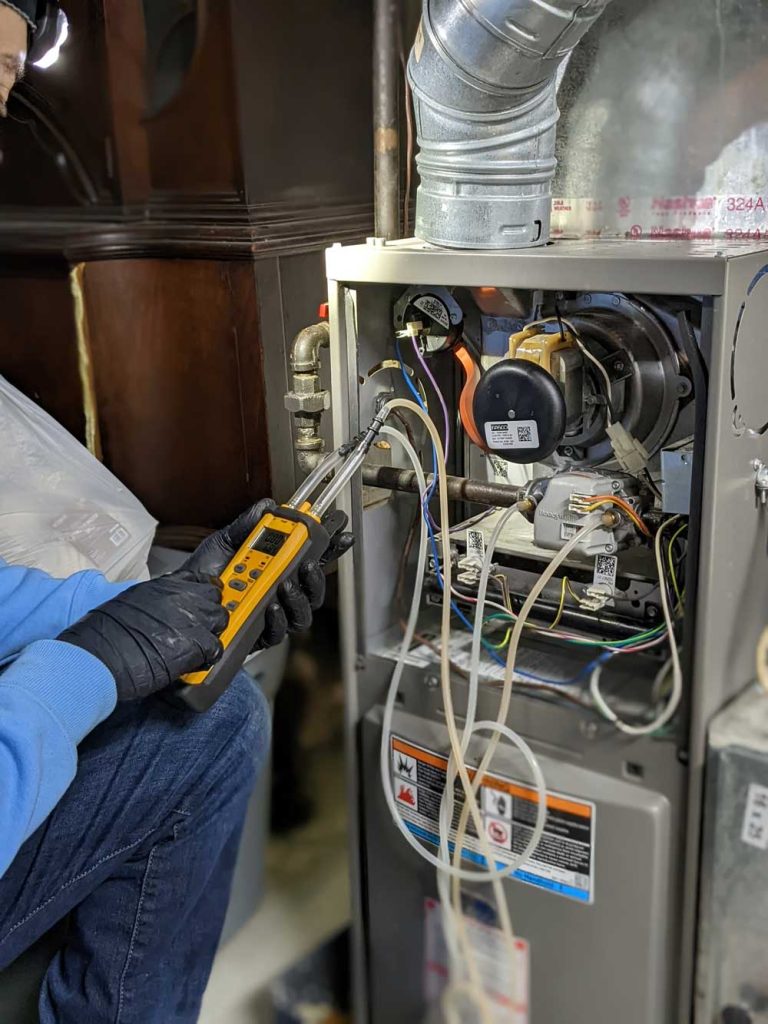
When homeowners call Green Line Plumbing, Heating and Air, our technicians perform a complete system evaluation. We inspect filters, airflow, ignition components, sensors, ductwork, and safety controls to find the root cause of the problem.
We explain what’s happening in clear terms and recommend solutions based on system condition and homeowner needs. Whether the fix is simple maintenance or a necessary repair, our goal is reliable heat and long-term system healthWhen a furnace blows cold air in the middle of winter, it’s more than just uncomfortable. It’s a signal that something in the system needs attention. While some causes are simple, others require professional care to keep your home safe, warm, and energy efficient.
At Green Line Plumbing, Heating and Air, we’re Your Local Experts That Care, helping Utah homeowners stay comfortable through even the coldest months. If your furnace isn’t heating the way it should, our team is ready to help.
📞 (801) 252-5362
📍 Schedule service online