Utah winters have a way of sneaking up on homeowners. One week you’re enjoying cool fall evenings, and the next you’re waking up to frozen car windows and a furnace that suddenly feels like it’s working overtime. As energy costs continue to rise, keeping your home warm without driving up the power bill has become a real concern for many Utah families.
At Green Line Plumbing, Heating and Air, we help homeowners find practical, affordable ways to heat their homes efficiently. Whether your furnace is brand new or over a decade old, there are steps you can take to improve its performance, reduce waste, and keep your family comfortable all winter long. Let’s explore some of the most effective furnace efficiency tips for Utah homeowners and how you can start saving right now.
Why Furnace Efficiency Matters in Utah
When you think of Utah winters, you think of crisp mountain air, snow-covered driveways, and nights spent indoors. What many homeowners don’t realize is that our cold, dry climate also puts extra strain on heating systems. Furnaces in Utah tend to run longer cycles to keep up with temperature drops, which means more wear and tear and higher energy use.
An inefficient furnace doesn’t just cost you money—it also affects comfort. You might notice uneven heating, slow warm-up times, or the constant sound of the furnace kicking on. Over time, these symptoms indicate your system is working harder than it should, wasting both energy and lifespan. Improving efficiency ensures steady warmth, lower bills, and fewer repairs.
The Hidden Costs of Poor Efficiency
When a furnace isn’t performing well, it burns more fuel to produce the same amount of heat. That extra work translates into higher utility bills. But the hidden costs go beyond that. Dust buildup, clogged filters, and poor airflow force the furnace to strain, increasing the chance of breakdowns. Small issues like dirty sensors or uncalibrated thermostats can quickly turn into major service calls if ignored.
Think of your furnace like a car. If you never change the oil or check the tires, it will still run for a while—but it’ll be far less efficient and much more likely to fail when you need it most. Regular maintenance and small adjustments go a long way toward preventing those “no heat” emergencies on freezing nights.
Everyday Habits That Affect Furnace Performance
Most homeowners don’t realize that their daily habits play a big role in how efficiently their furnace operates. Something as simple as where you place furniture or how often you replace the filter can make a noticeable difference.
One of the most common mistakes is blocking air vents. When vents are covered by rugs or furniture, air circulation suffers, and the furnace works harder to push heat where it’s needed. Another frequent issue is neglecting air filters. In Utah’s dusty environment, filters can clog quickly. Replacing them every one to three months keeps airflow steady and prevents unnecessary strain on the blower motor.
Thermostat habits matter, too. Constantly adjusting the temperature forces the furnace to cycle more often, using more energy. Instead, find a comfortable setting and leave it there, or use a programmable thermostat to maintain consistent, energy-efficient temperatures throughout the day.
How to Make Your Furnace More Efficient
Improving furnace efficiency doesn’t always mean replacing your system. Sometimes, small upgrades and adjustments can yield big savings.
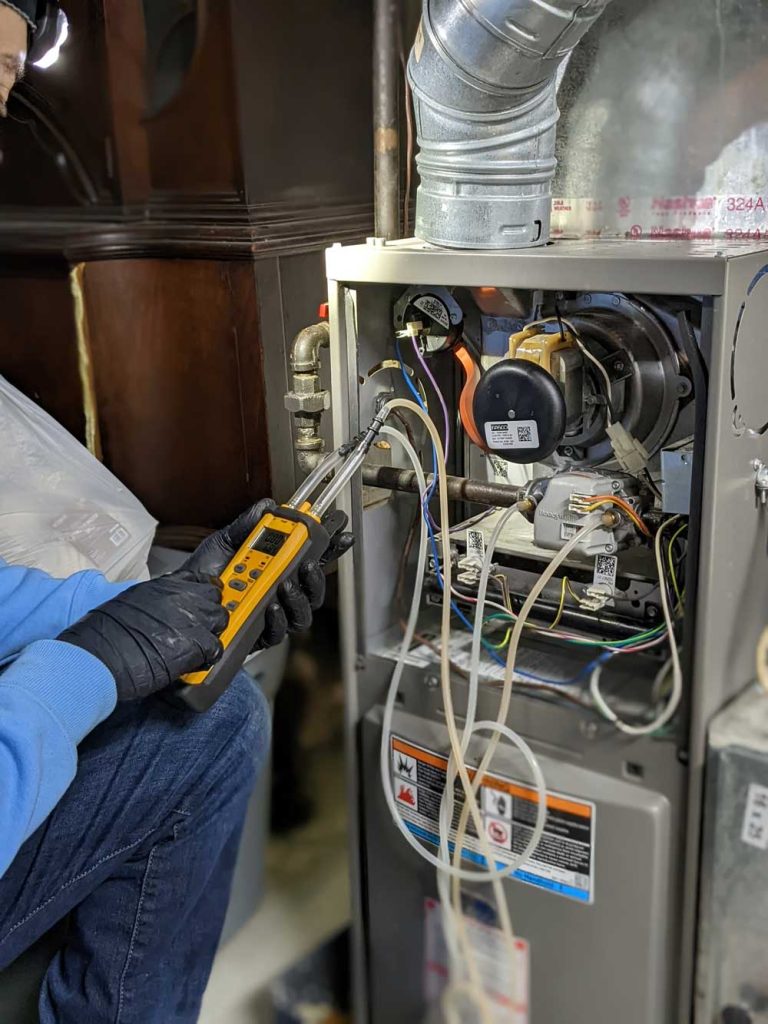
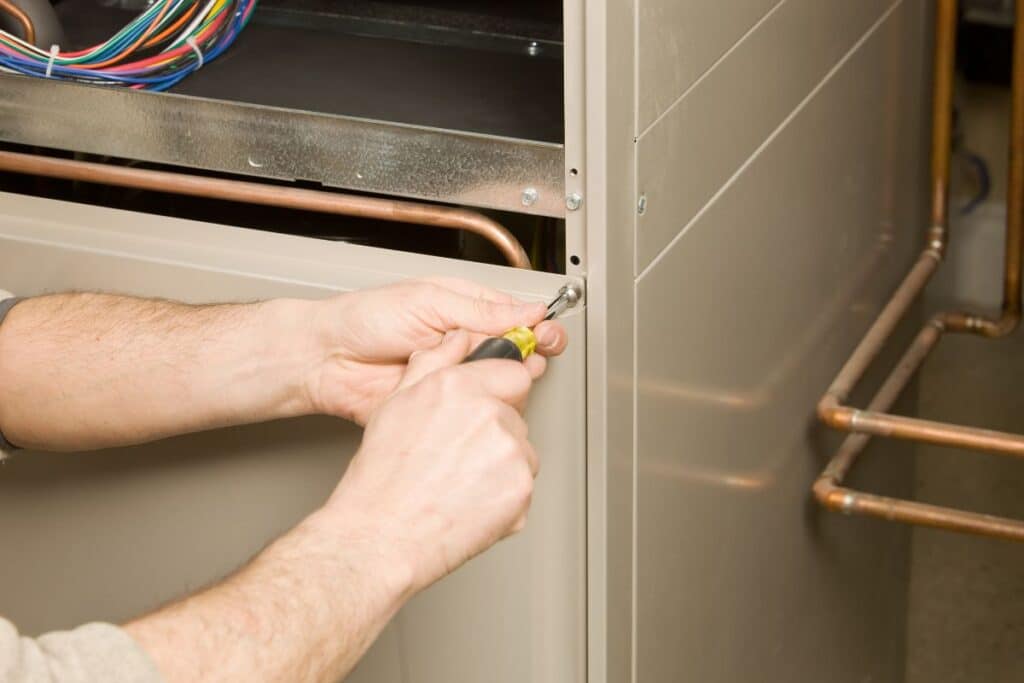
The first step is maintenance. A yearly tune-up by a licensed HVAC technician helps identify worn parts, dirty components, and calibration issues that affect performance. During a Green Line tune-up, our technicians clean the burners, inspect the heat exchanger, check gas connections, and ensure your system runs safely and efficiently.
Another easy upgrade is installing a smart thermostat. These devices learn your heating patterns and automatically adjust temperatures to maximize comfort while reducing waste. For example, lowering your thermostat by just 3–5 degrees while you’re asleep or at work can significantly cut your energy use without sacrificing comfort.
Home insulation also plays a major role. Even a perfectly maintained furnace can’t operate efficiently if heat is escaping through poorly sealed windows or under-insulated attics. Sealing air leaks and improving insulation traps warm air inside, helping your furnace cycle less often and last longer.
The Role of Airflow and Ductwork
Airflow is the lifeblood of an efficient heating system. When ducts are blocked, leaky, or dirty, they restrict airflow and force your furnace to work overtime. Many homeowners don’t realize that up to 30% of heated air can be lost through leaks in ductwork.
Professional duct inspection and cleaning can restore full airflow and ensure heat reaches every room evenly. If you notice that certain areas of your home are consistently colder than others, that’s often a sign of duct problems rather than furnace failure. Green Line technicians can inspect your system, seal leaks, and clean buildup that restricts airflow.
Upgrade Opportunities for Older Furnaces
If your furnace is more than 15 years old, even the best maintenance may not overcome the limitations of outdated technology. Older units typically operate at 70–80% efficiency, while modern high-efficiency furnaces reach 95% or higher. That means almost every dollar you spend on fuel goes directly toward heating your home instead of being wasted through the exhaust.
Upgrading to a high-efficiency model is a bigger investment upfront but pays off quickly through lower monthly bills and fewer repairs. Many Utah utility providers even offer rebates for upgrading to energy-efficient furnaces, further reducing the cost of installation.
Seasonal Efficiency Tips for Utah Homeowners
Utah’s unique climate calls for a few specific furnace care strategies. Because of our dry air, static buildup can affect electronics and airflow sensors. Adding a whole-home humidifier can improve comfort, protect wood furniture, and help your furnace operate more efficiently.
It’s also smart to check your outdoor furnace vent pipes regularly during winter. Snow or ice buildup can block exhaust flow and cause safety shutdowns. Clearing away debris and ensuring proper ventilation prevents costly service calls.
Finally, schedule your annual furnace maintenance before the first major cold front hits. Fall appointments are less busy, and technicians can spot potential issues before your system is running nonstop.
How Green Line Keeps Utah Homes Efficient
At Green Line, we don’t just repair furnaces—we help homeowners optimize their entire heating system. Our technicians perform comprehensive tune-ups that include cleaning, inspection, and performance testing. We also offer duct sealing, smart thermostat installation, and efficiency consultations designed for Utah’s specific conditions.
When we service your furnace, we make sure every component works in harmony. That means better airflow, lower energy use, and fewer surprises during the coldest nights of the year. Whether your system is brand new or nearing replacement, we’ll help you get the most from it.
📞 Call us at (801) 252-5362 or schedule a tune-up online to prepare your home for winter.