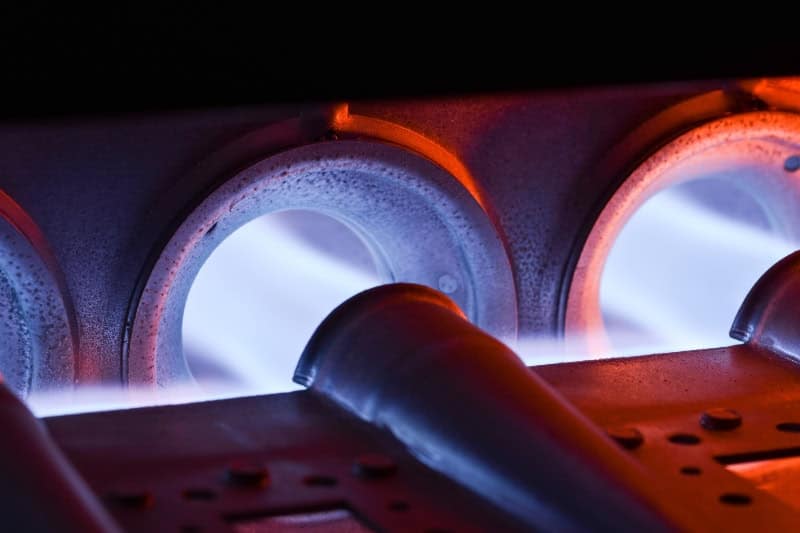
When temperatures drop in Utah, your furnace becomes one of the hardest working systems in your home. There is nothing more frustrating than turning on the heat only to notice that your furnace keeps shutting off before it has a chance to warm the house. If the system is turning on and off repeatedly, running only for a minute or two at a time, or refusing to stay on long enough to reach the temperature on your thermostat, you are most likely experiencing short cycling.
Short cycling is one of the most common heating issues Utah homeowners face during late fall and winter. It is the system’s way of telling you something is wrong, and the sooner you pay attention, the easier it is to fix. At Green Line Plumbing, Heating and Air, we see this problem often during November and December, especially when cold spells hit quickly and furnaces are suddenly running for long hours after months of being idle. Short cycling can be caused by airflow issues, overheating, thermostat problems, or even something as simple as a clogged filter.
This guide will walk you through what short cycling is, why it happens, how to recognize it early, and the most effective ways to fix it. Our goal is to help you understand your furnace better and know when it is time to call in the experts.
What Short Cycling Looks Like
Short cycling happens when your furnace turns on and begins to heat your home, but shuts off much sooner than it should. Instead of running a full heating cycle, it may only run for thirty seconds to two minutes before shutting down. After a short pause, it turns back on again and repeats the pattern. This constant stopping and starting not only prevents your home from warming up but also strains your furnace components, increases your energy usage, and raises the risk of a system failure.
Many Utah homeowners first notice short cycling when their home starts to feel uneven in temperature. One room may feel warm while another is much colder, or the furnace may run more often than expected without achieving the desired temperature. Others notice the constant clicking or humming as the system keeps attempting to restart. If any of this sounds familiar, short cycling is likely happening.
Why Furnaces Short Cycle in Utah’s Climate
Utah’s weather is unpredictable. Cold fronts move in quickly, temperatures drop sharply at night, and winter air is dry enough to cause dust buildup inside your HVAC system. All of these factors contribute to furnace problems. When temperatures fall suddenly, furnaces often work overtime to catch up. If there is any restriction in airflow or any internal issue affecting sensors or heating components, the furnace may shut down as a safety measure.
Many homes in Utah also have HVAC systems that were installed when the home was built, and older systems respond differently to cold weather stress. Even a newer system can short cycle if it has not been properly maintained or if the thermostat has not been calibrated for seasonal changes. Utah’s high elevation and colder air density can also affect airflow, particularly in areas like Riverton, Herriman, Draper, South Jordan, and Lehi.
Understanding these local factors makes it easier to diagnose short cycling and avoid furnace problems during winter.
Common Causes of Furnace Short Cycling
Short cycling almost always connects to one of a few core issues. Each issue affects how your furnace heats the air, how it regulates temperature, or how it protects itself from overheating. Here are the most common causes we see in Utah homes.
Dirty or Clogged Air Filters
One of the most frequent reasons for short cycling is restricted airflow due to a clogged filter. Utah’s dry climate produces a significant amount of dust, especially in late fall when windows have been open during warm days and furnaces start running again at night. Filters trap this dust, along with pet hair and airborne debris. Once the filter becomes clogged, the furnace cannot pull in enough air to heat properly.
When airflow is restricted, the heat exchanger warms up too quickly. To protect itself from damage, the furnace shuts down. Once it cools a little, it turns back on and repeats the cycle. This is short cycling in its simplest form.
If your furnace starts shutting off unexpectedly, checking and replacing the filter is one of the easiest first steps.
Thermostat Malfunctions or Location Problems
Your thermostat is the communicator between your home’s air temperature and your furnace. If the thermostat is malfunctioning, reading incorrect temperatures, or placed near a heat source such as a lamp, direct sunlight, or even near drafts, it can cause short cycling.
For example, if your thermostat is on a wall that warms faster than the rest of the room, it will think the home is warmer than it really is and shut down the furnace prematurely. Conversely, if it is near a cold draft, it may cause the furnace to turn on more often but shut off quickly because the rest of the system cannot keep up.
Sometimes the issue is as simple as needing new batteries. Other times, the thermostat requires recalibration or replacement.
Overheating Furnace or Blocked Vents
When a furnace overheats, internal safety sensors shut the system down to protect the heat exchanger and prevent potential hazards. Overheating is often caused by airflow restrictions, closed vents, blocked ductwork, or internal dust buildup.
Many homeowners close vents in unused rooms, but this often causes more harm than good. Closed vents increase air pressure and force the furnace to work harder, which can result in overheating and short cycling. If you notice unusually warm air right before your furnace shuts off, overheating may be the cause.
Flame Sensor Problems
Your furnace’s flame sensor detects whether the burner flame is present. If the flame sensor becomes dirty, corroded, or covered in residue from Utah’s dusty air, it may fail to detect the flame. When this happens, the furnace shuts down almost immediately after starting.
This is another common cause of short cycling, especially at the beginning of the heating season. A professional cleaning often resolves the issue.
Exhaust or Flue Blockage
The exhaust flue removes combustion gases from your furnace. If it becomes partially blocked by debris like leaves, nests, or ice, airflow becomes compromised. The furnace’s safety controls respond by shutting it down, which leads to repeated short cycling as the system attempts to restart.
Regular maintenance and seasonal inspections help catch this issue early.
Improper Furnace Capacity or Ductwork Issues
In some Utah homes, the furnace is either too large or too small for the space. Oversized furnaces heat air too quickly and shut off before completing a proper heating cycle. Undersized furnaces struggle to maintain warmth and may overheat while trying to keep up.
Ductwork issues such as leaks, improper sizing, or blockages can also cause your furnace to run inefficiently and shut down repeatedly.
How Utah Homeowners Can Troubleshoot Short Cycling
While some causes require professional service, homeowners can perform a few simple checks before calling for help. Start by replacing your filter and checking your thermostat settings. Make sure vents are open throughout the home and confirm that no large furniture items or household objects are blocking return vents.
If the short cycling continues, it is time to schedule an inspection. Furnaces contain sensitive safety components, and continued short cycling can permanently damage your system.
Why Short Cycling Should Never Be Ignored
Short cycling may seem like a minor inconvenience at first, but it can cause long term issues if left unresolved. The constant starting and stopping puts stress on the blower motor, ignitor, and internal controls. This often leads to premature wear and costly repairs. Short cycling also increases energy usage, resulting in higher monthly heating bills.
Most importantly, short cycling can be a sign that your furnace is overheating or struggling with a safety issue. Ignoring these signals can turn a simple repair into a major breakdown on the coldest night of the year.
How Green Line Diagnoses and Repairs Short Cycling
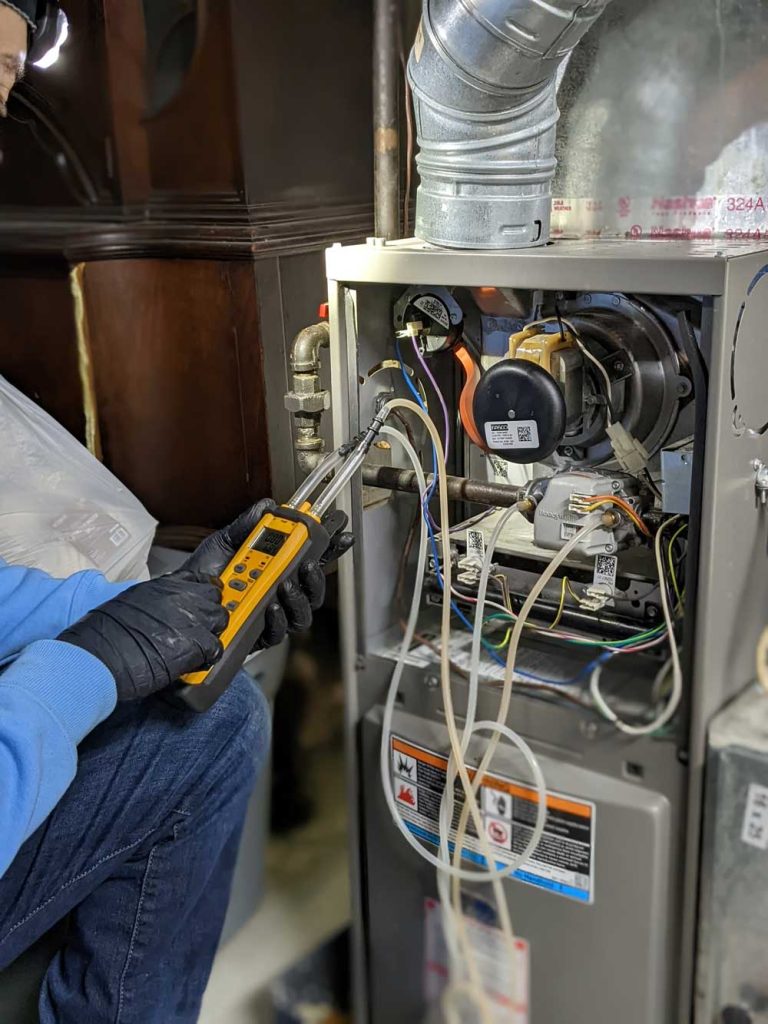
At Green Line Plumbing, Heating and Air, we take a thorough approach to diagnosing short cycling. Our technicians inspect your filter, vents, thermostat, ductwork, sensors, and heat exchanger to pinpoint the exact cause. We use professional diagnostic tools to measure airflow, temperature rise, and system response.
Once we identify the issue, we explain everything clearly and walk you through your options. Whether it is a simple filter replacement, a thermostat recalibration, sensor cleaning, or a more complex repair, our goal is to restore safe, efficient heating as quickly as possible.
Green Line also offers seasonal furnace tune ups that prevent short cycling before it starts. A tune up includes cleaning, testing, and inspecting all major components so your system is ready for Utah’s winter season.
📞 Schedule furnace service at (801) 252-5362
📍 Book online at https://greenline.expert/contact/