As temperatures drop in Utah, your furnace becomes the heart of your home’s comfort. But even the best heating system can’t do its job without one small, often-forgotten component: the furnace filter.
At Green Line Plumbing, Heating and Air, we often find that many furnace issues—reduced airflow, high energy bills, even system shutdowns—can be traced back to one thing: a dirty filter.
So, how often should you replace or service your furnace filter in Utah? The answer depends on several factors, including your home’s location, air quality, and lifestyle. This guide breaks it all down so you can keep your home warm, efficient, and safe all season long.
Why Furnace Filters Matter
Your furnace filter isn’t just about keeping dust out of the air—it’s a crucial part of your HVAC system’s health. It protects your furnace from dirt, debris, and pet hair that can clog moving parts and reduce efficiency.
A clean filter allows air to flow freely, which helps your furnace heat your home evenly and prevents the system from working harder than necessary. When airflow is restricted, your furnace uses more energy, shortens its lifespan, and risks overheating.
How Utah’s Climate Impacts Filter Lifespan
Utah’s dry, dusty climate is tough on furnace filters. In places like Riverton, Herriman, and Draper, where construction dust and seasonal winds are common, filters clog faster than in more humid areas.
Add to that our long heating seasons—often running from October through April—and it’s easy to see why filters in Utah need changing more frequently. Even high-efficiency filters eventually get packed with fine dust that you can’t see but your furnace can definitely feel.
For most homes, that means replacing filters every 1–3 months during winter. Homes with pets, smokers, or allergy sufferers may need monthly changes, while smaller households can often stretch to 90 days.
Signs It’s Time to Replace Your Furnace Filter
You don’t have to wait for your next maintenance visit to tell when it’s time for a change. Watch for these common signs:
-
Weak airflow from vents – If your rooms aren’t heating evenly, airflow may be restricted.
-
Dust buildup around vents or furniture – A clear indicator that the filter isn’t trapping particles efficiently anymore.
-
Higher energy bills – A clogged filter forces your system to work harder, using more energy to heat your home.
-
Strange furnace odors or overheating – Dust burning off on the heat exchanger can produce a musty smell and signal poor airflow.
If you notice any of these symptoms, it’s time for a fresh filter.
Choosing the Right Furnace Filter for Utah Homes
Not all filters are created equal. The right one for your home depends on your furnace model, air quality needs, and budget.
-
Fiberglass Filters: Inexpensive and disposable, but require frequent replacement.
-
Pleated Filters: Better filtration for dust and allergens, with longer lifespans.
-
High-Efficiency (HEPA) Filters: Capture microscopic particles—ideal for allergy sufferers, but not all furnaces can handle the airflow restriction.
When in doubt, check your furnace manual or ask a Green Line technician for guidance. We can recommend filters that fit your system and Utah’s dusty conditions perfectly.
How Often to Replace Furnace Filters (Utah-Specific Guidelines)
Here’s a simple guide based on Green Line’s experience serving Utah homeowners:
-
Standard 1-inch filters: Every 30–60 days
-
Pleated 2–3 inch filters: Every 60–90 days
-
HEPA or high-MERV filters: Every 3–6 months (depending on air quality)
For new homeowners, we suggest checking your filter monthly during your first winter. Once you understand how quickly it fills, you can adjust your replacement schedule accordingly.
Can You Clean a Furnace Filter Instead of Replacing It?
Some filters are reusable and can be gently washed with water or vacuumed. However, disposable filters should always be replaced, not cleaned. Reusing them can cause dust particles to loosen and damage your furnace.
If you have a washable filter, let it dry completely before reinstalling it to prevent mold growth.
How a Dirty Filter Affects Your Furnace
Letting your filter go too long without replacement causes several problems beyond just poor airflow:
-
Reduced Heating Efficiency: Your furnace burns more energy trying to push air through a clogged filter.
-
Overheating: Restricted airflow can trigger your furnace’s safety shut-off mechanism.
-
Shortened Equipment Life: Overworked motors and fans wear out faster.
-
Worse Indoor Air Quality: Dust, pet dander, and allergens circulate freely when your filter can’t trap them.
Over time, these issues add up to higher repair costs and lower comfort.
Professional Filter Replacement and Maintenance
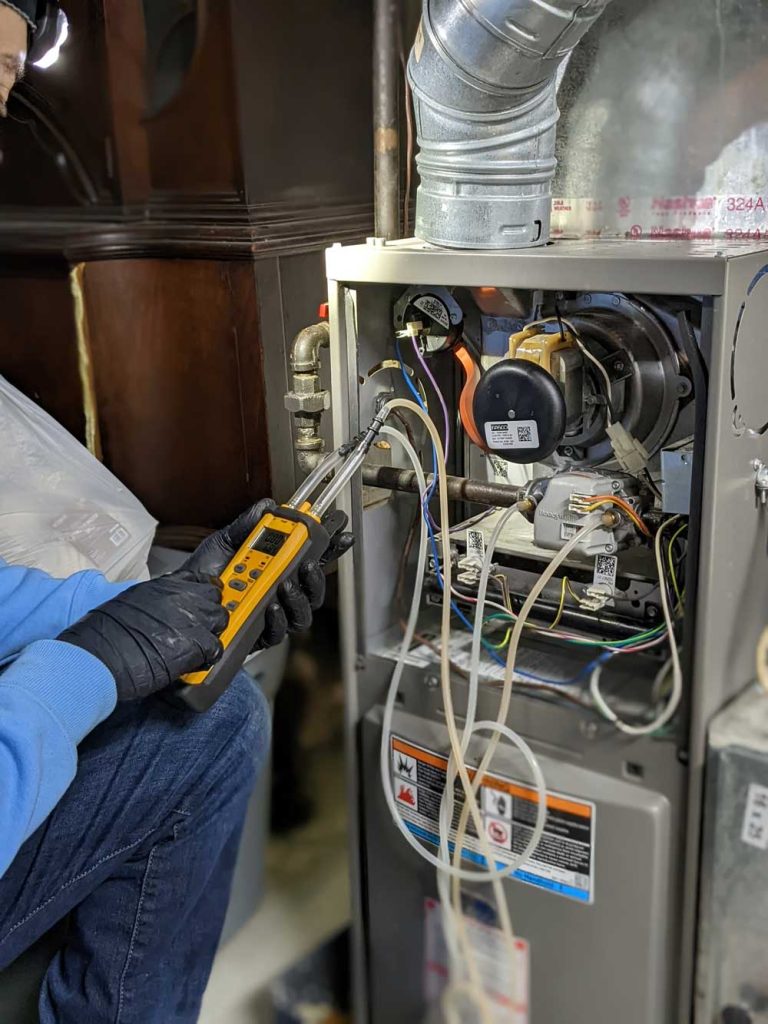
At Green Line Plumbing, Heating and Air, we offer comprehensive HVAC maintenance that includes filter replacement, system cleaning, and full performance checks. Our technicians can show you the right filter type, size, and replacement schedule for your specific system and lifestyle.
We also help homeowners set up seasonal reminders so filter changes become second nature—keeping your home cleaner and your furnace running stronger.
📞 Call (801) 252-5362 or schedule service online today.
FAQs About Furnace Filter Replacement
Do thicker filters last longer?
Yes, but they can also reduce airflow if your system isn’t designed for them. Check your furnace manual or ask a pro.
Can a dirty filter make my house colder?
Absolutely. Restricted airflow reduces heat output, making your system less effective.
What’s the easiest way to remember to change filters?
Set a recurring calendar reminder every month or tie it to your utility bill schedule.
A clean furnace filter is one of the simplest ways to keep your Utah home comfortable and your heating system healthy. It’s a small task with a big impact—saving energy, extending your furnace’s life, and improving your indoor air quality.
At Green Line Plumbing, Heating and Air, we’re Your Local Experts That Care. Whether you need help finding the right filter, want to schedule a tune-up, or just have questions about furnace maintenance, our team is here to help.