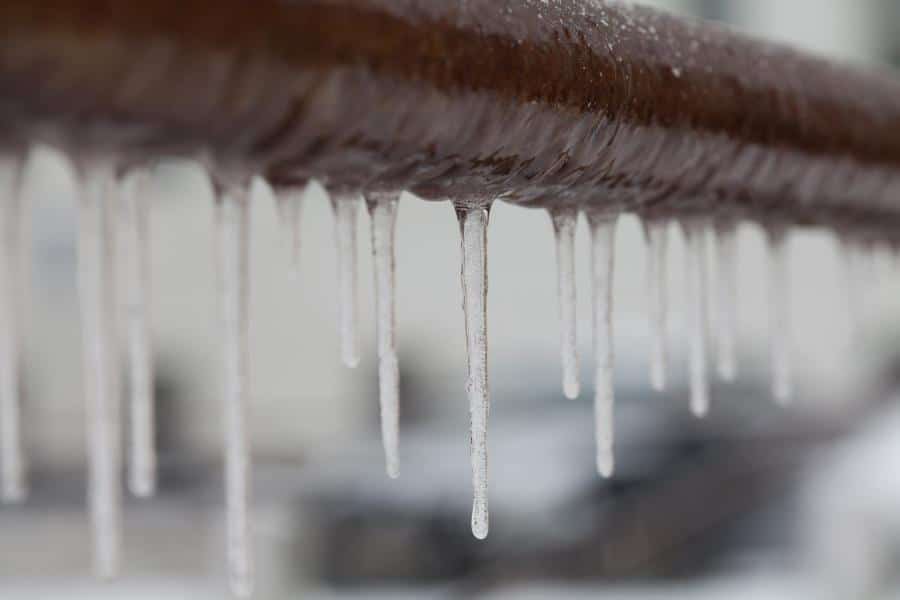
Utah winters can be beautiful, especially when the first snow hits the mountains and the nights turn crisp. But as temperatures drop, homeowners start to notice something they never think about in the summer: their plumbing. Frozen pipes are one of the most damaging and stressful problems that can happen in cold weather, and they almost always show up without warning.
At Green Line Plumbing, Heating and Air, we spend every winter helping Utah families deal with frozen pipes, burst pipes, and emergency leaks. The truth is that most of these problems are preventable. A little preparation in November and early December goes a long way toward keeping your home safe and your plumbing protected. This guide will walk you through how to prevent frozen pipes in Utah, why they happen, and what to do if you ever find yourself in a cold weather plumbing emergency.
Why Frozen Pipes Are So Common in Utah
Utah has a unique climate that pushes plumbing systems to their limits. Our dry air, cold nights, and large swings in temperature make pipes cool rapidly, sometimes faster than the insulation around them can handle. Homes in places like Draper, South Jordan, Riverton, Herriman, and Lehi see some of the biggest drops because of elevation and exposure to wind.
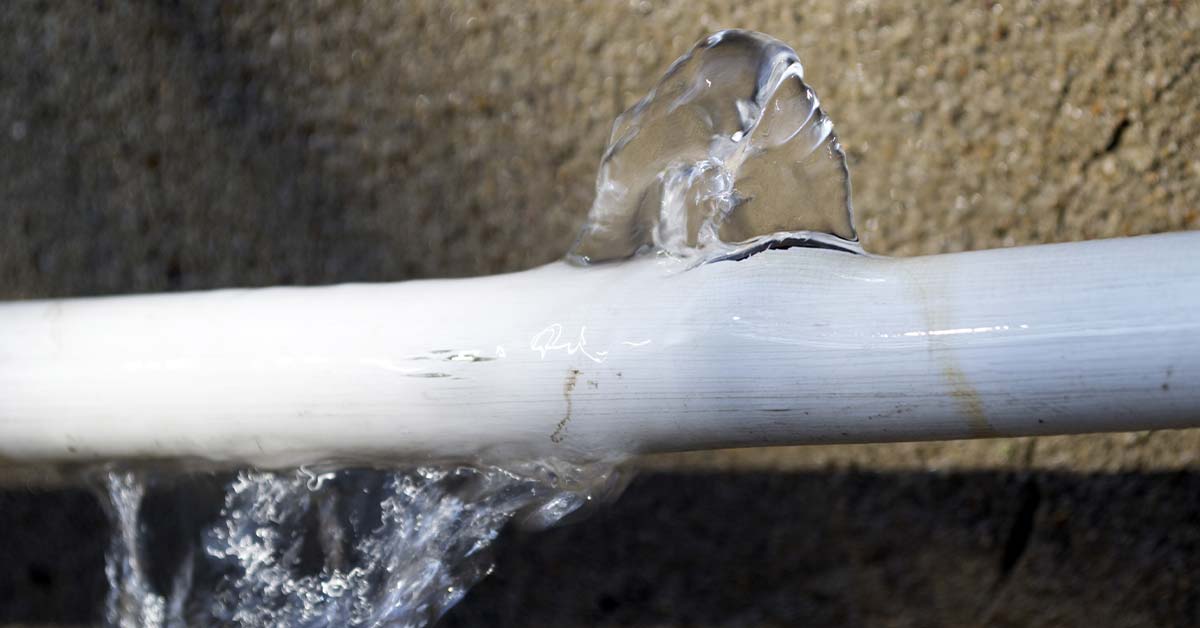
Many older Utah homes also have plumbing lines in basements, crawlspaces, attics, or garages. These areas often stay much colder than the rest of the home, especially when a cold front hits. When temperatures drop below freezing, water inside these pipes begins to slow, thicken, and eventually freeze. As water freezes, it expands, which causes pressure to build inside the pipe. That pressure is what leads to cracks or burst sections once the pipe thaws.
It can happen slowly or within hours, usually overnight or during times when the furnace is not running as often. This is why frozen pipes catch homeowners by surprise.
Understanding How and Why Pipes Freeze
Water that sits still inside a cold pipe is more likely to freeze than water that is flowing. Anytime your home’s heating system cycles off at night or the temperature drops fast, the cold air reaches uninsulated areas first. Pipes located near outside walls or in parts of the home that do not get much airflow are at the highest risk.
Once freezing begins, it spreads along the pipe, trapping water between two expanding sections. The pressure from that trapped water is what eventually causes the pipe to crack or burst. Many homeowners don’t see the problem until thawing begins and water starts leaking onto floors, walls, or ceilings.
This is why it is so important to protect vulnerable areas early in the season. Once a pipe freezes, you often have only a short window to prevent further damage.
The Most Vulnerable Places in Utah Homes
Some areas in homes freeze far more easily than others. Even newer homes with updated plumbing can have trouble spots. Common problem areas include:
-
Basements that do not have full heating
-
Crawlspaces with thin insulation
-
Garages, especially those with water lines running to utility sinks
-
Attics or loft spaces that trap cold air
-
Exterior walls where pipes sit close to the outside siding
-
Kitchen sinks located on north-facing walls
-
Laundry rooms with drafty vents or doors
In many homes across Utah County and Salt Lake County, we find that kitchen sink pipes freeze first. This is because cabinets are closed most of the day, trapping cold air inside and limiting the heat your furnace is delivering to that area.
If you know your home has one or more of these vulnerable spots, you’ll want to take extra steps to protect your plumbing before temperatures drop further.
How to Prevent Frozen Pipes in Utah Homes
Preventing frozen pipes isn’t complicated, but it does require paying attention to the parts of your home that get the coldest. Once you understand where your plumbing is exposed and how your home retains heat, the rest becomes much easier.
Let’s walk through the most effective ways to protect your pipes.
Keep Your Home Consistently Warm
One of the biggest mistakes homeowners make is lowering the thermostat too much at night or turning the heat off when leaving for a short trip. Even though it seems like a good way to save on heating bills, a drop in temperature can put your pipes at risk.
Instead, keep your thermostat set to a steady temperature, especially overnight. Even a difference of a few degrees can mean the difference between a safe pipe and a frozen one. If you plan on being gone for a day or longer, make sure your heat stays on.
Allow Warm Air to Reach Pipes
Areas under sinks and inside cabinets stay colder than the surrounding room because the doors trap cold air inside. Opening cabinet doors during a cold front or overnight allows warm air to circulate around the pipes.
This simple step is often enough to keep kitchen and bathroom pipes from freezing, especially on the coldest nights of winter.
Let Faucets Drip on Freezing Nights
Running water does not freeze as easily as standing water. When temperatures drop into the teens, allowing your cold water faucet to run at a slow drip keeps water moving through the pipe.
This provides two layers of protection. First, it reduces pressure buildup inside the pipe. Second, it helps equalize temperature between indoor and outdoor sections of the water line.
It is a small amount of water, but it can prevent thousands of dollars in damage.
Insulate Exposed or Vulnerable Pipes
Pipes that run through garages, crawlspaces, exterior walls, or attics need extra insulation. Foam pipe sleeves, fiberglass wrap, and insulated tape work well and are affordable.
In Utah’s colder cities, we often recommend heat tape for certain exposed pipes. It is a special electric tape that warms the pipe just enough to prevent freezing. It must be installed correctly to be safe, but when used properly, it is one of the most effective tools for preventing frozen pipes.
If you’re not sure whether your pipes are insulated well enough, Green Line can inspect them and recommend the best protection for your home.
Seal Cracks, Gaps, and Drafts
Cold air coming through small cracks or gaps near plumbing fixtures can freeze pipes quickly. Check for drafts around:
-
Crawlspace vents
-
Garage doors
-
Basement windows
-
Doorframes near utility rooms
-
Dryer vents
-
Kitchen sink cabinets that sit on exterior walls
Sealing these gaps with caulk or expanding foam makes a noticeable difference in how warm your plumbing stays.
How Utah’s Weather Makes Frozen Pipes Worse
Utah’s weather patterns change quickly. One day you might experience a mild afternoon, and the next morning temperatures can drop by twenty degrees. Rapid cooling is one of the biggest triggers for pipe freezing.
High elevation areas like Herriman, Draper, and South Jordan often experience earlier freezes than valley areas because cold air pools in lower points and affects basements and crawlspaces first. Utah’s dry climate also pulls moisture from insulation, reducing its effectiveness over time.
Combining all these factors, it becomes clear why winter plumbing protection is so important for Utah homeowners.
What To Do If a Pipe Freezes
A frozen pipe does not always burst, but it needs immediate attention. If you turn on a faucet and only a trickle comes out, you likely have a frozen section somewhere in your home.
Start by turning off your main water supply. This prevents pressure from building up further. Never try to thaw a frozen pipe with an open flame. It can cause a fire or damage the pipe. Safe methods include warm towels, a hair dryer, or a space heater placed a safe distance away.
If the pipe is in a difficult location or you suspect it may already have cracks, call Green Line right away. We can safely thaw the pipe, inspect it, and repair any damage before it becomes worse.
What Happens When a Frozen Pipe Bursts
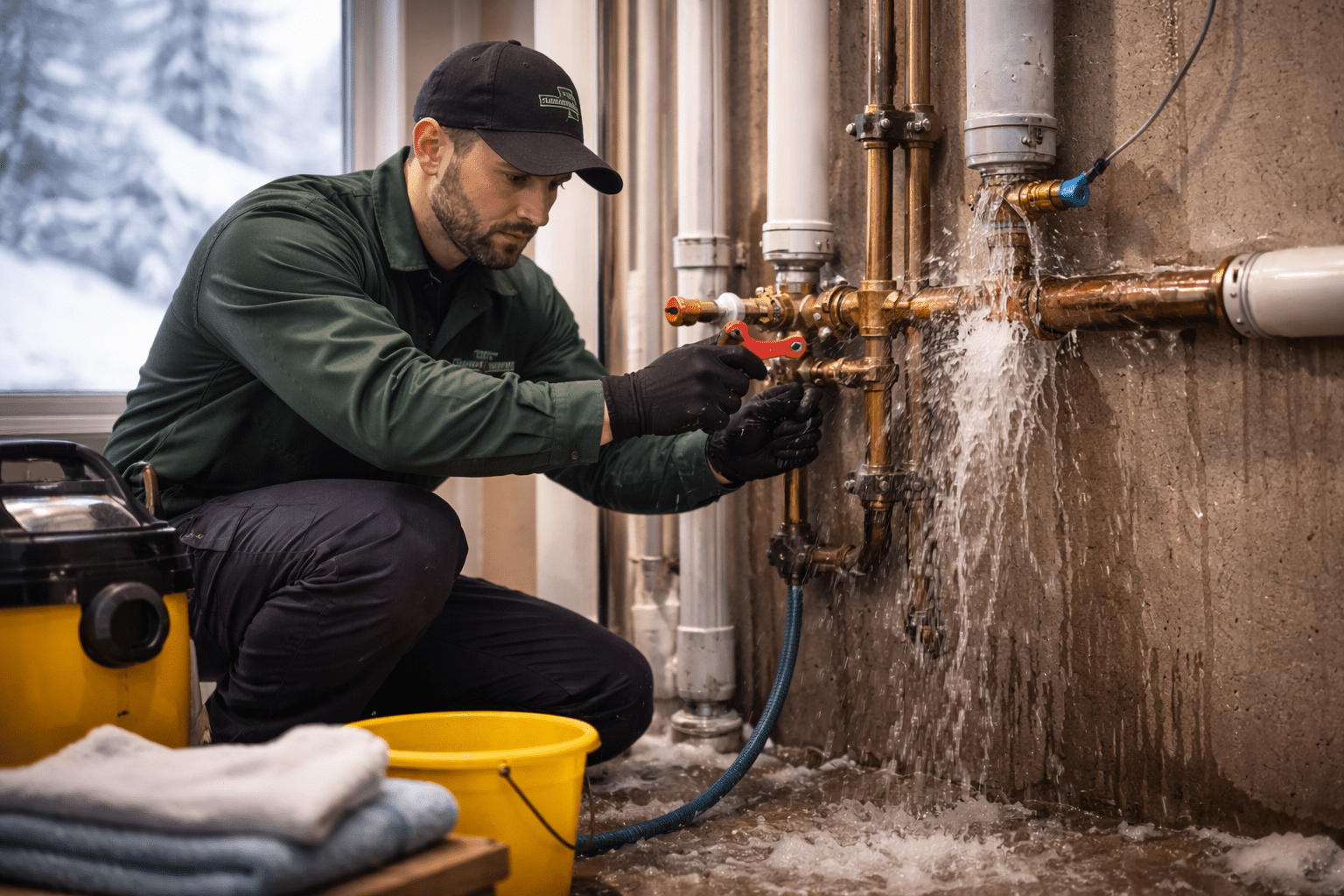
A burst pipe is a plumbing emergency, and the sooner it is addressed, the better. Once a pipe cracks, water will leak as soon as the ice thaws, and that leak can lead to major damage. Flooring, drywall, furniture, and tools stored in basements or garages can all be affected.
If you experience a burst pipe, shut off the main water line immediately and call Green Line. Our team responds quickly throughout Salt Lake County and Utah County to stop the leak, repair the pipe, and prevent further damage.
Winterizing Your Home Before Traveling
Many families travel around Thanksgiving and Christmas, sometimes for days at a time. Before leaving your home, take extra steps to protect your plumbing. Keep your heat on, open cabinets under sinks, and consider letting faucets drip if extreme temperatures are expected.
This is also the perfect time for a professional winterization service. Green Line offers full winter prep packages that include pipe inspections, insulation recommendations, and protection for vulnerable plumbing areas.
Professional Winterization Services from Green Line
Our winterization services are designed specifically for Utah homes. We focus on the areas most likely to freeze and test your plumbing system for early signs of trouble. Services may include insulating exposed lines, sealing drafts, inspecting water heaters and main lines, and installing heat tape where needed.
The goal is simple: protect your home from expensive winter damage and give you peace of mind all season long.
📞 Call Green Line at (801) 252-5362
📍 Schedule Winter Plumbing Service
FAQs About Preventing Frozen Pipes
Can my outdoor spigot cause indoor pipes to freeze?
Yes. Outdoor spigots that are not winterized allow water to sit inside the line, which can freeze and push into the home.
Do newer homes still get frozen pipes?
Yes. Even new homes have vulnerable spots, especially in basements or on exterior walls.
Is it expensive to protect my home from frozen pipes?
Most preventive steps are inexpensive, especially compared to the cost of repairing a burst pipe.
Protecting your home from frozen pipes is one of the most important steps you can take as winter approaches in Utah. With a little preparation and the right guidance, you can keep your home safe, avoid costly water damage, and enjoy the season without worrying about your plumbing.
Green Line Plumbing, Heating and Air is here to help. We’re Your Local Experts That Care, and we understand exactly how Utah’s winter affects your pipes. Whether you need insulation, repairs, or a full winterization service, our team is ready to protect your home.
📞 Call (801) 252-5362
📍 Book Winter Plumbing Service