Utah homeowners know how quickly the seasons can change. In Riverton, South Jordan, Herriman, and Draper, it’s not unusual to see sunshine one day and heavy snowfall the next. As the weather shifts, your home’s plumbing system faces unique challenges, especially when it comes to preventing basement flooding and water damage.
One of the most important safeguards you can have in place is a reliable sump pump. Yet, too many homeowners wait until the first big thaw or rainstorm to find out their sump pump isn’t working properly. By testing and preparing your sump pump in the fall, you can avoid costly damage and stressful emergencies when the snow starts to melt.
At Green Line Plumbing, Heating and Air, we’re more than just a service company, we’re Your Local Experts That Care. This guide will walk you through everything you need to know about sump pump preparation in Utah: why it matters, how to test it yourself, and when it’s time to call in a professional.
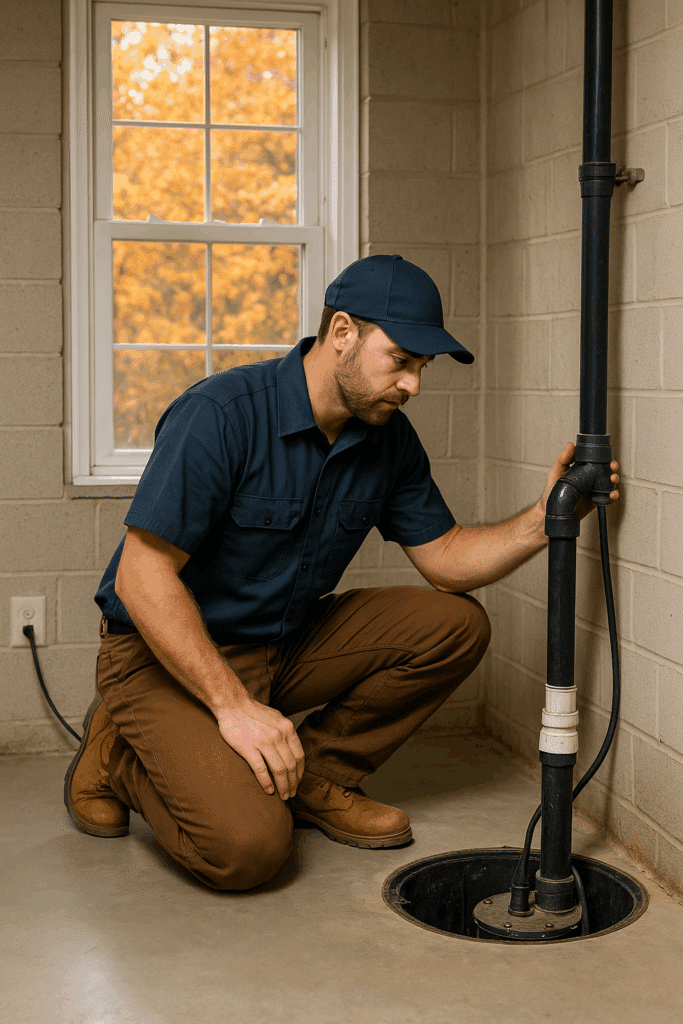
What is a Sump Pump and Why Do Utah Homes Need One?
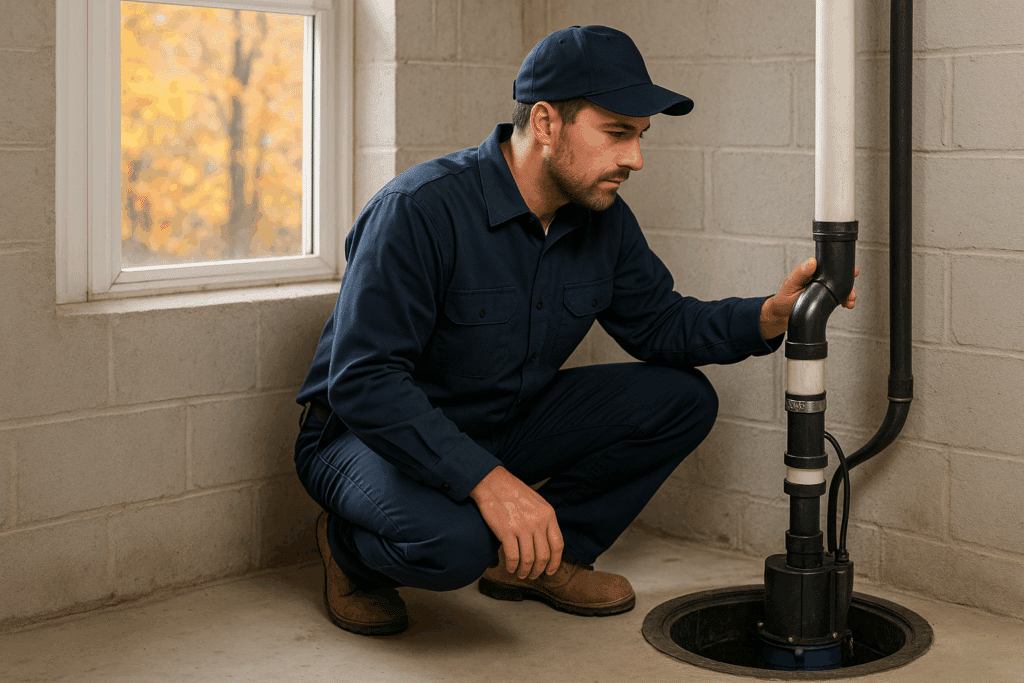
A sump pump is a small but powerful device usually located in the lowest part of a home’s basement or crawlspace. Its job is simple but critical: collect water that gathers in a sump pit and pump it safely away from your home’s foundation.
In Utah, sump pumps are especially important because of:
- Snowmelt in spring: As snow and ice thaw, excess water can seep into basements.
- Sudden storms: Even in fall, Riverton and surrounding cities can see heavy rains.
- Clay-heavy soil: Many Utah neighborhoods are built on clay soil, which holds water longer and increases flooding risks.
According to the Federal Emergency Management Agency (FEMA), even a small amount of water in a basement can cause thousands of dollars in property damage.
Common Signs Your Sump Pump May Fail
Before we dive into testing, it’s important to recognize the warning signs that your sump pump could be failing:
- Strange noises: Grinding, rattling, or gurgling sounds could mean internal damage.
- Irregular cycling: The pump runs too often or not at all.
- Excessive vibration: This may signal a bent or damaged impeller.
- Visible rust or corrosion: Often caused by bacteria buildup.
- Old age: Pumps older than 7–10 years may not be reliable.
If you notice these issues, call a licensed plumber to inspect and repair or replace your system.
Step-by-Step Guide: How to Test Your Sump Pump Before Snowy Season
Testing your sump pump doesn’t require special tools. Here’s how to do it safely and effectively:
1. Locate the Sump Pump and Pit
Find your sump pit in the basement or crawlspace. It’s usually a small hole in the floor with the pump sitting inside.
2. Inspect for Debris
Remove any dirt, gravel, or debris that could clog the pump. Even small obstructions can affect performance.
3. Check the Power Source
Make sure your pump is plugged into a dedicated GFCI outlet. Test the outlet to ensure it’s working.
4. Pour in Water
Slowly pour a bucket of water (about 5 gallons) into the sump pit. Watch to see if the pump activates once the water level rises.
5. Monitor the Float Switch
The float switch should rise with the water and trigger the pump. If it sticks or doesn’t engage, that’s a sign of trouble.
6. Confirm Discharge Line Flow
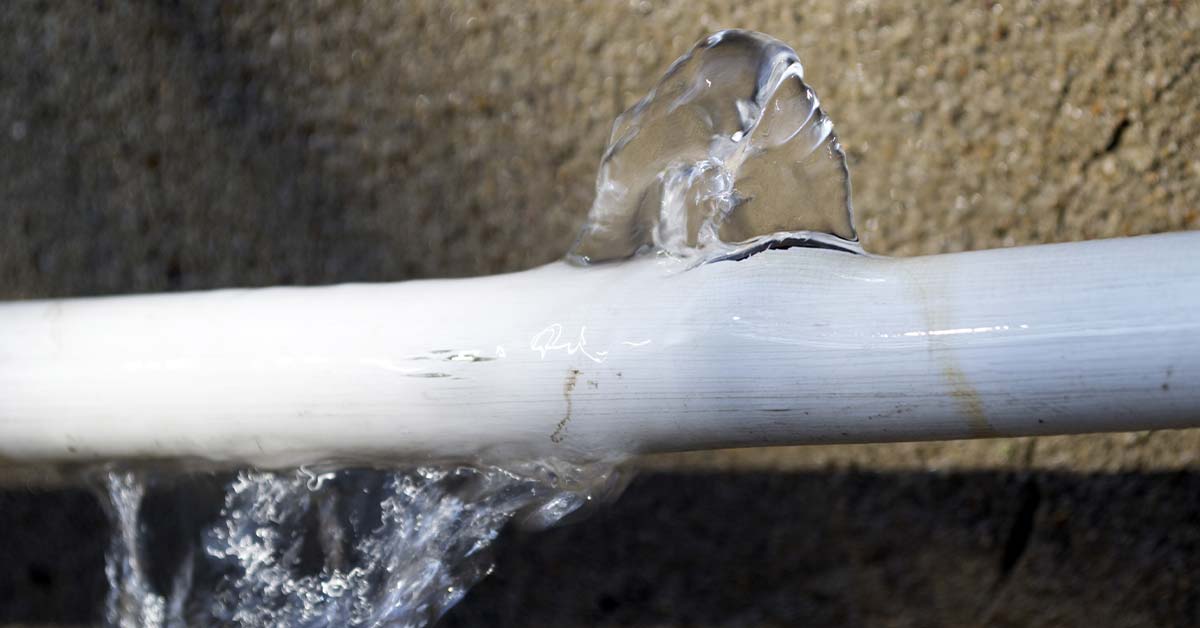
Head outside and check that water is flowing freely from the discharge pipe away from your home. Ensure the line isn’t clogged or frozen.
7. Test Backup Power (if applicable)
If you have a battery backup, unplug the pump briefly and confirm the backup kicks in.
According to BobVila.com, testing your sump pump at least twice per year is recommended, ideally in the spring and fall.
Why Fall Prep is Crucial in Riverton, Utah
Utah’s climate makes sump pump prep a seasonal necessity. Here’s why:
- Freeze-thaw cycles: Melting snow followed by overnight freezing can cause sudden water surges.
- Basement flooding risks: Many Riverton homes have basements, making them prone to water intrusion.
- Snowmelt in early spring: Preparing now prevents problems when runoff hits in March and April.
The Utah Geological Survey has long warned about flooding risks in areas with poor drainage, making sump pump reliability even more critical for homeowners.
When to Call a Professional Plumber
While testing is simple, repair and replacement should be left to the pros. Call Green Line Plumbing, Heating and Air if you notice:
- The pump doesn’t activate during testing.
- Strange noises, rust, or electrical issues.
- Water pooling around the pump even when it runs.
- Frequent power outages that require a backup system installation.
We proudly serve Riverton, Herriman, South Jordan, Draper, Sandy, and Lehi, ensuring Utah families are protected against flooding and water damage.
How to Avoid Future Sump Pump Emergencies
Preventive care goes a long way. Here are extra tips to keep your sump pump in top shape:
- Clean the pump and pit annually to remove sediment.
- Check the discharge line each season for clogs.
- Test backup batteries every 3–4 months.
- Schedule annual plumbing inspections with Green Line for peace of mind.
The EPA also emphasizes proper water management in homes, highlighting how preventive maintenance reduces emergency risks.
Your sump pump is one of the unsung heroes of your home’s plumbing system. Preparing it in the fall ensures it will protect your basement when snow and ice begin to melt.
Don’t wait for an emergency—take time now to test your sump pump, and call in the experts if anything seems off. At Green Line Plumbing, Heating and Air, we are Your Local Experts That Care, here 24/7 to keep Riverton and nearby communities safe and dry.
📞 Call us today at (801) 252-5362
📍 Or Schedule Online